
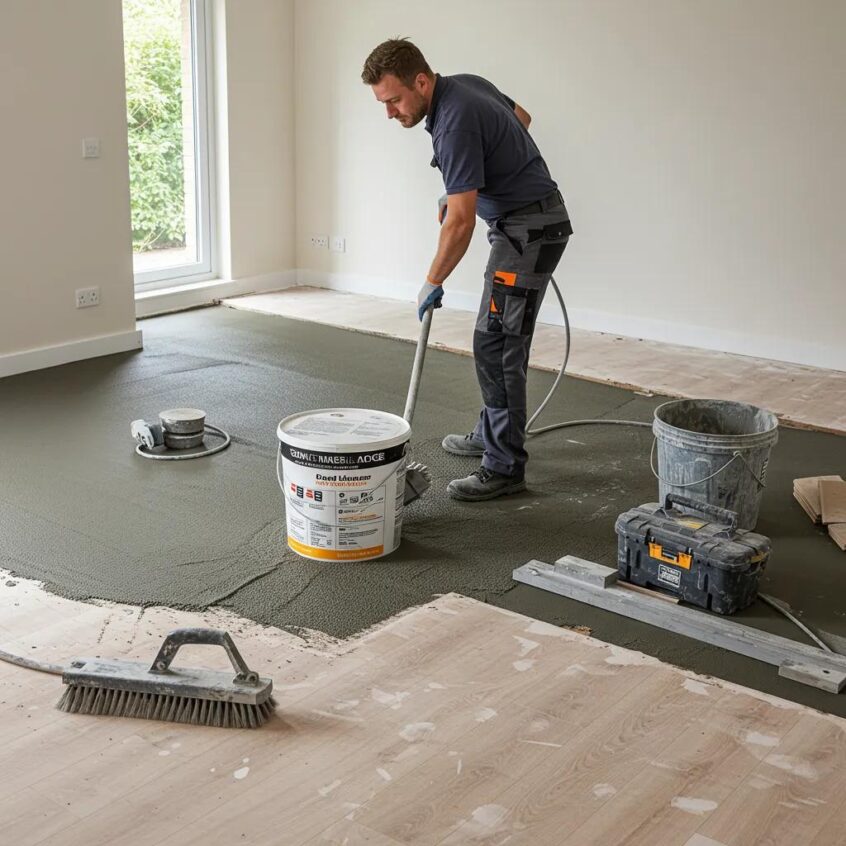
Key Factors That Determine the Cost of Floor Leveling Services for Your Project
Understanding what factors impact the overall cost of floor leveling services for your project is critical to budgeting accurately and avoiding unpleasant surprises. Floor leveling prepares an even subfloor by addressing project size, material selection, labor expertise, and local market conditions. In this guide, we define five core cost drivers, compare common leveling methods, examine local price ranges in Fraser Valley and Metro Vancouver, weigh DIY versus professional trade-offs, explore subfloor assessments, highlight additional variables, and explain how New Level Floors delivers precise estimates through a free consultation.
What Are the Main Cost Factors Influencing Floor Leveling Prices?
Floor leveling prices derive primarily from five interconnected factors: the scale and complexity of the area, the existing subfloor condition, the choice of leveling materials, the required labor skill level, and geographic market dynamics. Each factor compounds the total cost of your project and shapes the allocation of labor, materials, and preparation time. Homeowners, business owners, and contractors should evaluate square footage alongside subfloor damage severity, material performance needs, crew expertise requirements, and local supply-and-demand pressure in Fraser Valley and Metro Vancouver to forecast accurate expenses.
How Does Project Size and Scope Affect Floor Leveling Cost?
Project size and scope determine material volume and labor hours required for subfloor preparation. Larger square footage increases purchase quantities of self-leveling compounds or patching materials, while deeper unevenness demands multiple pour layers or extended grinding. For example, a 500 sq ft living room with minor dips may require one coat of self-leveling concrete, whereas a 2,000 sq ft commercial bay with ½ in elevation variance often needs surface milling plus compound applications.
Smaller jobs with shallow irregularities allow easier access and faster completion, reducing per-square-foot costs and preparing the ground for assessing subfloor integrity in the next step.
Why Is Subfloor Condition Critical to Floor Leveling Expenses?
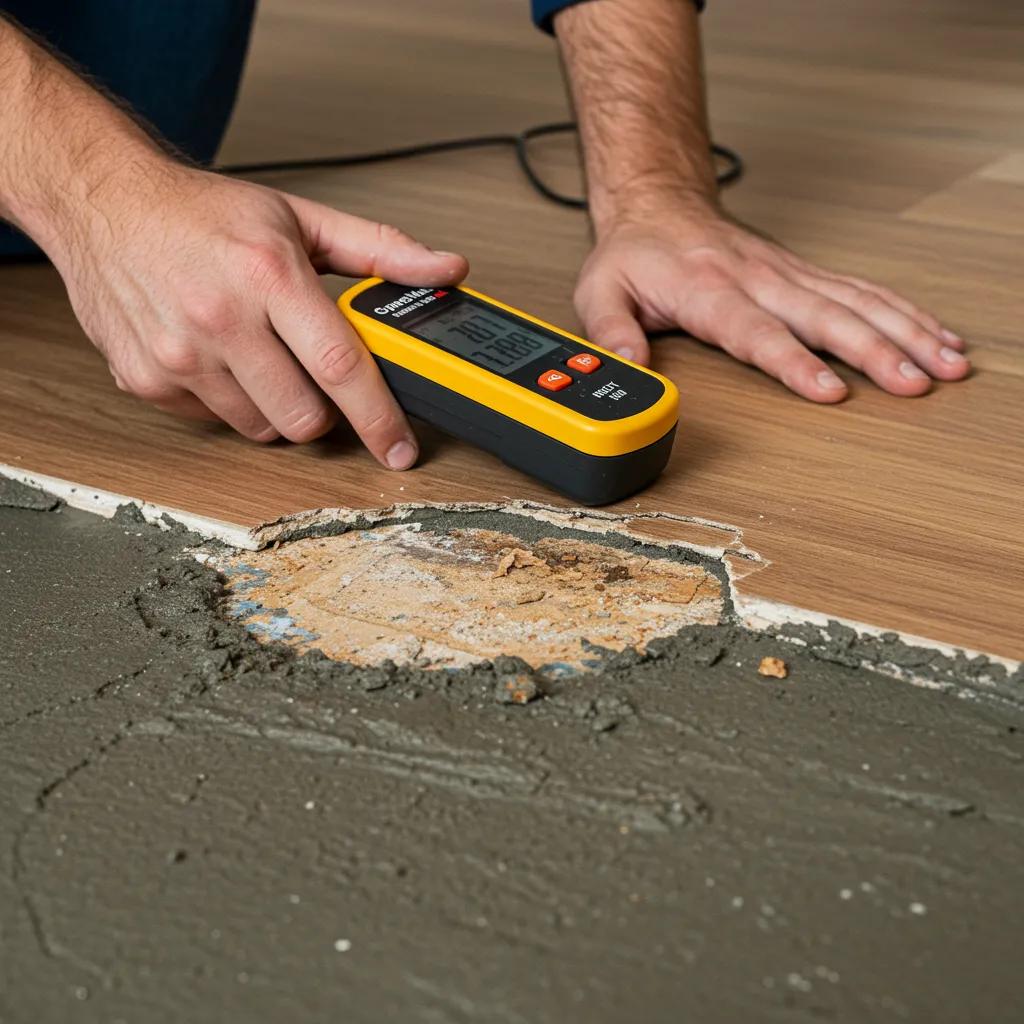
Subfloor condition defines the preparation scope required before applying leveling products. Cracks, holes, moisture damage, and residual adhesives increase labor effort and material consumption. Common issues include:
- Cracks wider than 1⁄8 in that demand repair mortar.
- Localized depressions requiring layered compound builds.
- Moisture intrusion zones that need sealers and primers.
- Old tile or adhesive removal to ensure proper adhesion.
Repairing these defects can add 20–40 percent to total cost. Thorough assessment of existing materials and moisture mapping prevents rework and ensures a durable, level surface for new flooring.
What Role Do Leveling Materials Play in Overall Cost?
Selecting the right leveling material balances performance needs against budget constraints. Options include self-leveling compounds, polymer-modified patches, and epoxy-based primers. Differences manifest in material price per bag, coverage rate, and application speed.
Higher-performance compounds accelerate installation and reduce labor hours, whereas budget patches may require extra coats or extended curing time. Material choice directly informs labor efficiency and overall investment in subfloor preparation.
How Do Labor and Expertise Influence Floor Leveling Prices?
Labor cost reflects crew experience, project complexity, and local wage rates. Certified flooring technicians deliver consistent thickness control and rapid problem-solving for challenging subfloors, boosting durability and lowering rework risk. In Metro Vancouver, average skilled labor rates range from 60–80 per hour, while Fraser Valley rates often fall between 50–70. Professional teams complete a standard 1,000 sq ft leveling job in 1–2 days, whereas less experienced installers may take 3–4 days, increasing overall labor expense.
How Does Geographical Location Impact Floor Leveling Costs?
Local market conditions in Fraser Valley and Metro Vancouver shape material availability, crew schedules, and permit regulations. Urban centers often face higher labor demand and supply chain constraints, pushing per-square-foot rates upward by 10–15 percent compared to outlying areas. Rural Fraser Valley jobs may incur travel fees or equipment mobilization charges, while city projects sometimes require additional safety compliance measures. Recognizing regional cost differentials ensures accurate budgeting and avoids unexpected site-specific fees.
How Do Different Floor Leveling Methods Affect Your Project Cost?
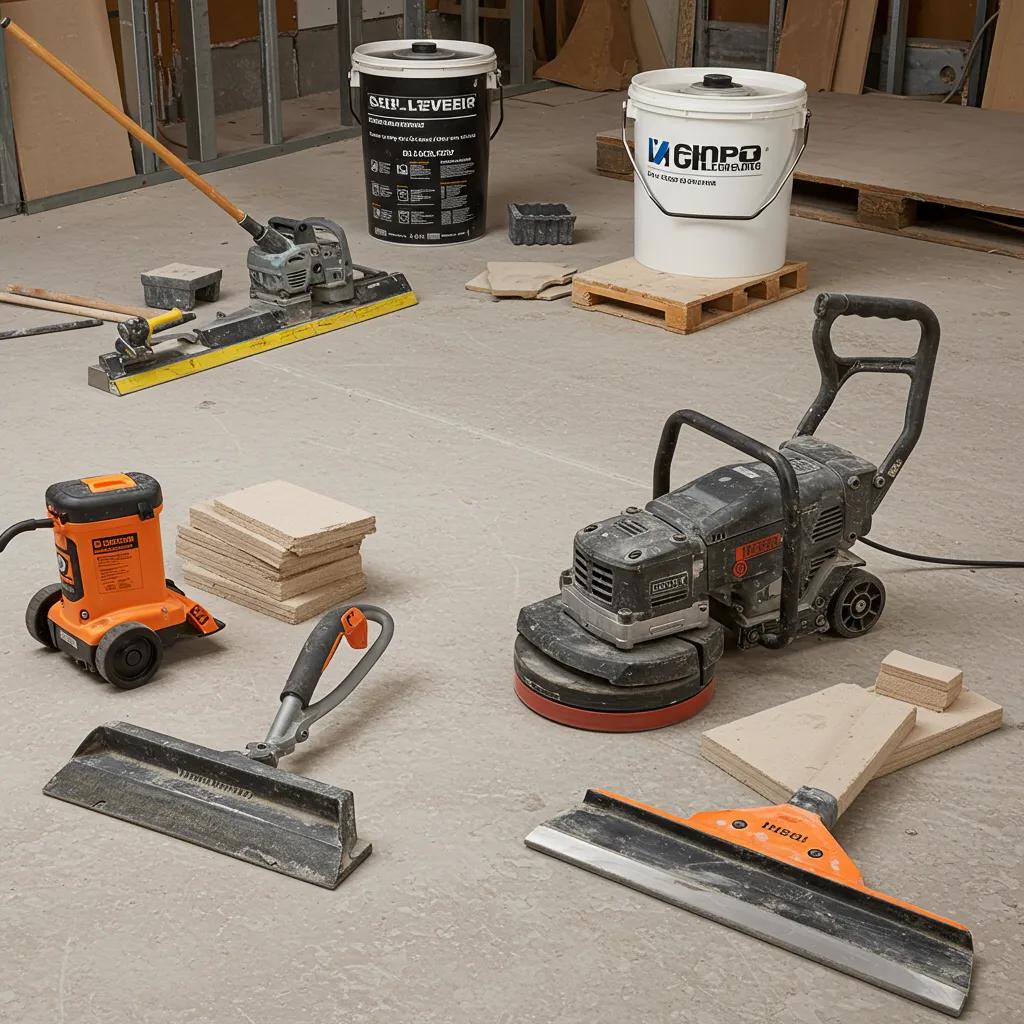
Different leveling methods cater to varied unevenness profiles and budget parameters. Self-leveling concrete delivers smooth surfaces for minor deviations, concrete grinding addresses high spots through mechanical abrasion, mudjacking or slabjacking lifts sunken slabs with high-pressure grout, and patching handles localized defects. Each technique involves distinct equipment, labor skill sets, and material types that influence labor hours and per-square-foot pricing.
What Is the Cost of Using Self-Leveling Concrete?
Self-leveling concrete works by pumping a fluid underlayment with rapid-setting cements that flow into low areas and harden. Its mechanism minimizes troweling effort and yields consistent flatness. Material and labor combined typically range from 12–18 per square foot, depending on depth required. For example, a 600 sq ft commercial lobby needing ¼ in coverage often costs around 8,400, reflecting both compound and skilled application crew rates.
How Much Does Concrete Grinding for Leveling Cost?
Concrete grinding uses diamond cup wheels on ride-on machines or hand-held grinders to remove high spots and create a planar surface. Grinding rates average 3–5 per sq ft and depend on surface hardness, dust-control requirements, and access conditions. A typical grinding pass on 1,000 sq ft might cost 4,000–5,000, with additional sealing and finishing steps billed separately.
What Are the Expenses for Mudjacking or Slabjacking?
Mudjacking and slabjacking inject pressurized cementitious grout beneath settled slabs to raise them. Costs vary with drill-hole count, thickness of grout lift, and travel distance. Projects often range from 4–6 per sq ft, making this method cost-effective for small depressions under driveways or patios. Complex commercial applications demanding specialized high-pressure pumps may reach rates up to 8 per sq ft.
How Do Patching and Repair Costs Vary by Project?
Patching addresses isolated subfloor defects using material fills and reinforcement mesh. Localized patching averages 5–10 per repair spot, depending on crater size and depth. Widespread minor patching across a 1,000 sq ft area can elevate total cost by 500–1,000. Combining patching with self-leveling compounds optimizes flatness while controlling localized repair expenses.
What Are the Average Floor Leveling Costs Per Square Foot in Fraser Valley and Metro Vancouver?
Local cost benchmarks help set realistic budget expectations. Average floor leveling rates include material and labor for standard residential and light-commercial applications. Understanding regional pricing variations prevents underestimating project budgets.
What Is the Typical Cost Range for Residential Floor Leveling?
Residential leveling projects in suburban Fraser Valley commonly range from 10–18 per sq ft, depending on subfloor condition and material choice. Metro Vancouver home leveling frequently costs 12–20 per sq ft due to higher labor rates and tighter scheduling windows. Typical living room or basement leveling includes one primer coat, patching of minor cracks, and a single self-leveling compound pour.
How Do Commercial Floor Leveling Costs Differ Locally?
Commercial spaces demand higher load tolerance and often stricter flatness tolerances. In Fraser Valley, light-industrial or retail floor leveling averages 8–15 per sq ft, while Vancouver commercial rates climb to 10–18 per sq ft. Volume discounts may apply on larger projects exceeding 5,000 sq ft, but specialized equipment rental and compliance measures can offset savings.
What Local Market Factors Influence These Prices?
Key drivers include labor availability during peak construction seasons, material delivery schedules influenced by port traffic, and ongoing skilled technician shortages. Higher demand in urban cores elevates premium rates, while off-peak work in outlying areas may attract discounted labor packages. Seasonal weather conditions also affect moisture-control material usage and curing times.
Should You Choose DIY or Professional Floor Leveling? What Are the Cost Implications?
Deciding between DIY and professional leveling hinges on project complexity, risk tolerance, and long-term flooring goals. DIY kits offer lower upfront material costs but introduce hidden expenses such as tool rental, waste disposal, and potential rework. Professional installation ensures precision, warranty coverage, and liability protection, delivering greater long-term value despite higher initial investment.
What Hidden Costs Should You Expect with DIY Floor Leveling?
DIY projects often require purchasing mixing drills, trowels, and protective gear. Mixing inaccuracies can lead to uneven cures and necessitate additional compound purchases. Estimated hidden costs include equipment rental fees of 100–200 per day, compound overages of 10–30 percent, and rework time that can double labor hours—eroding initial savings.
How Does Professional Floor Leveling Provide Long-Term Value?
Professional teams leverage calibrated mixing systems and laser-level instrumentation to achieve precise flatness tolerances. Warranty-backed services protect against settlement cracks and adhesion failures. While initial rates average 12–20 per sq ft, long-term savings emerge through reduced repair cycles, extended flooring lifespan, and minimized downtime for business operations.
When Is Professional Service Essential for Your Project?
Complex subfloors with moisture issues, significant elevation variances exceeding ½ in, or specialty flooring installations like epoxy and vinyl click-lock systems demand professional intervention. Projects in commercial environments or historic properties with structural constraints also require certified technicians to meet industry standards and safety regulations.
How Does Subfloor Condition Impact the Cost of Floor Leveling Services?
Assessing subfloor condition is fundamental to accurate cost estimation. The severity of cracks, moisture content, and existing material layers dictates both the level of preparation work and the choice of repair methods. Detailed evaluation ensures no hidden defects compromise final flooring performance.
How Is Floor Unevenness Assessed and Measured?
Unevenness evaluation uses laser levels, straightedges, and dip sticks to quantify height differentials across the slab. Measurements in 16 in grid patterns identify local peaks and valleys, guiding milling, patching, or compound requirements. For instance, deviations exceeding 1⁄8 in over 10 ft typically trigger self-leveling compound application.
What Are Common Subfloor Issues That Increase Costs?
Major defects include hairline cracks widening under load, spalling concrete requiring repointing, adhesive residue from previous flooring, and plank adhesive pockets. Water intrusion can elevate moisture vapor transmission rates, necessitating barrier membranes. Each condition introduces extra labor and specialized materials, raising project expense.
How Do Preparation and Repair Work Add to Labor and Material Costs?
Preparation tasks—cleanup, priming, crack filling—often consume 30–50 percent of total labor hours. Crack repair mortars and primers add material costs of 0.50–1.50 per sq ft. Thorough surface profiling with shot blasting or diamond grinding ensures adhesion but commands additional equipment rental and operator time.
What Additional Factors Can Influence Floor Leveling Costs?
Beyond core drivers, specific project nuances can further adjust total investment. Type of finished flooring, accessibility constraints, schedule urgency, permit requirements, and warranty offerings all shape final pricing and project planning.
How Does the Type of Flooring Affect Leveling Requirements and Price?
Different floor coverings demand varied flatness tolerances—ceramic tile often requires ±1⁄16 in over 10 ft, while carpeting tolerates minor undulations. High-tolerance installations incur extra milling passes or compound layers, raising per-square-foot rates by 10–20 percent for tile or stone applications.
How Does Accessibility of the Work Area Affect Cost?
Tight stairwells, multi-story buildings, and remote locations increase labor time and require portable equipment. Locations lacking loading dock access may incur additional manual hauling charges of 150–300 per day. Open-plan single-story spaces reduce setup time and lower mobilization fees.
Do Time Constraints or Project Deadlines Increase Floor Leveling Prices?
Rush jobs scheduled within 48 hours often carry premium rates of 15–25 percent above standard pricing. Evening or weekend work requires overtime labor rates and expedited material orders, directly inflating overall cost.
Are Permit Requirements a Cost Factor for Floor Leveling Projects?
Certain municipalities mandate construction permits for structural slab alterations or wastewater discharge from grinding. Permit fees range from 50–200 and may require inspection scheduling, adding administrative time and potential delay-related expenses.
What Warranty and After-Service Support Affect Overall Value?
Extended warranties covering adhesion and surface integrity provide peace of mind but come at a cost premium of 5–10 percent. Service agreements for post-installation inspections and corrective maintenance can reduce long-term repair budgets and protect flooring investments.
How Can You Get an Accurate Floor Leveling Cost Estimate from New Level Floors?
New Level Floors delivers precise cost projections by combining expert site assessments with local market intelligence. Through a free consultation, their team evaluates subfloor variables and material preferences to tailor quotes for Fraser Valley and Metro Vancouver clients.
What Should You Expect During a Free Floor Leveling Consultation?
A free consultation includes a visual inspection of floor flatness, moisture meter readings, discussion of intended flooring type, and measurement of project dimensions. Technicians document existing damage and review access logistics to form a comprehensive preparation plan.
Which Project Details Are Needed for a Precise Quote?
Clients should provide square footage, desired flatness tolerance, existing subfloor material, moisture test results if available, and any known structural issues. Sharing intended finished flooring type and project timeline enables accurate labor and material scheduling.
How Does New Level Floors Tailor Pricing to Fraser Valley and Metro Vancouver Clients?
Leveraging regional labor rate data, material supplier relationships, and local building code awareness, New Level Floors adjusts proposals to reflect true market costs. Their transparent quotes itemize each cost factor—preparation, materials, labor, and contingencies—ensuring trust and confidence before work begins.
As your trusted flooring preparation partner, New Level Floors combines local expertise with professional workmanship to enhance the performance and longevity of any flooring system. Request your free consultation today to receive a customized floor leveling quote and start on the path to a perfectly level surface.