

How to Choose Laminate Flooring That Fits Your Home and Local Needs
Picking the right laminate can change how your rooms look and how they live. With so many options on the market, knowing the key factors makes the choice simple. This guide walks you through durability, waterproofing, plank thickness, current styles, and why professional installation matters. Read on and you’ll feel confident choosing the best laminate flooring options available near you.
Which durability details matter when evaluating laminate flooring?
Durability determines how long your floor will keep looking and performing well. The main things to check are the AC rating, the wear-layer thickness, and the board thickness. Knowing what each one means helps you pick a product that stands up to family life and daily wear.
What does the AC rating tell you about performance?
The AC (Abrasion Class) rating shows how resistant laminate is to wear. Ratings run from AC1 (light residential use) up to AC5 (heavy commercial use). For most homes, AC3 is a smart balance of durability and value. Higher AC ratings mean better protection against scratches, dents, and fading — a good choice for busy rooms or entryways.
Why the wear layer thickness matters for long‑term life
The wear layer is the top protective coating on laminate. Thicker wear layers — usually between 0.2mm and 0.7mm — handle daily scuffs and stains better. For most houses, aim for at least 0.3mm; commercial or very high-traffic areas often need 0.5mm or more. A sturdier wear layer helps your floor look newer for longer.
Which waterproof or water‑resistant laminate works best for your home?
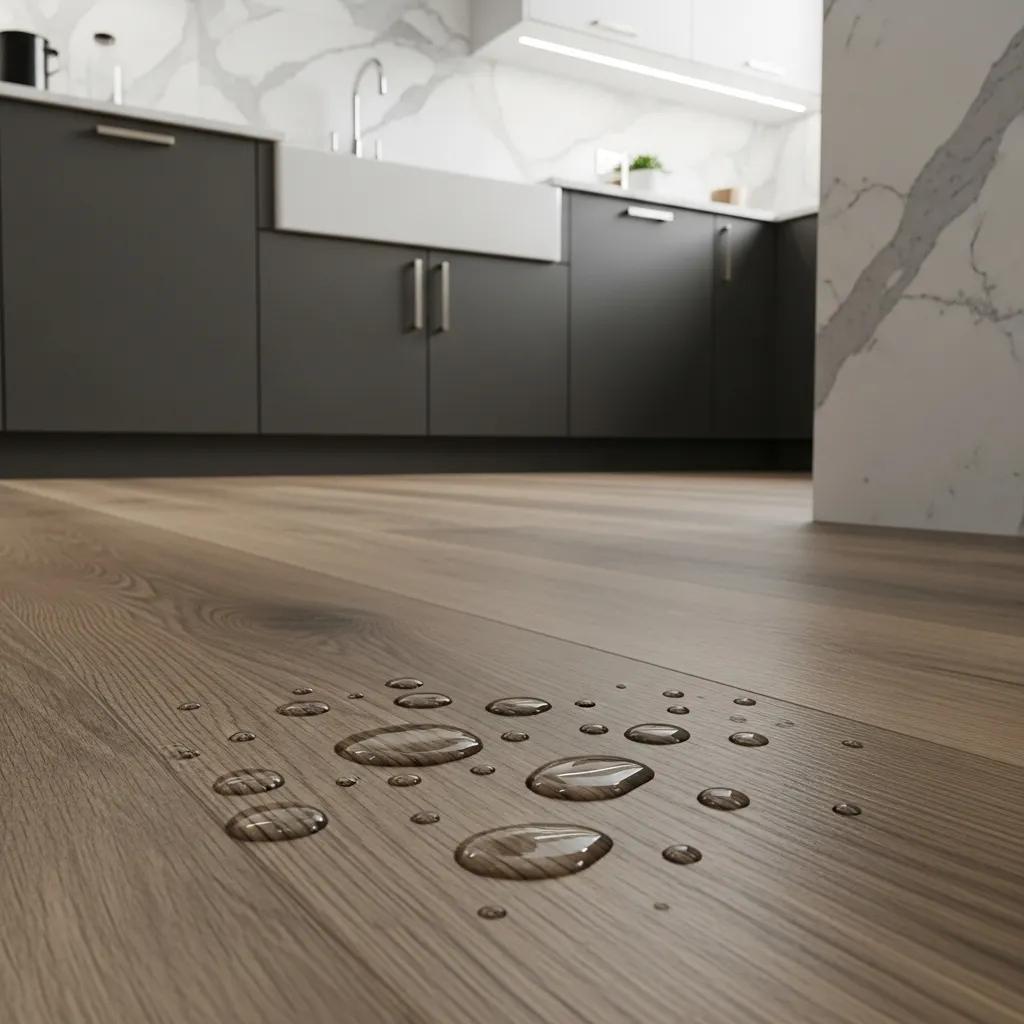
Decide whether you need water-resistant or fully waterproof laminate, especially for kitchens, bathrooms, and basements. Knowing the difference helps you avoid surprises from spills, humidity, or damp subfloors.
How do waterproof and water‑resistant laminates differ?
Water-resistant laminate tolerates small spills and brief exposure to moisture but won’t hold up to standing water. Waterproof laminate is engineered to resist significant exposure without swelling or warping. If you live somewhere humid or plan to install in moisture-prone rooms, waterproof options are the safer long-term bet.
Where does waterproof laminate make the most sense at home?
Waterproof laminate is a great pick for kitchens, bathrooms, basements, laundry rooms, and busy entryways. Those areas see more spills and humidity, so extra moisture protection keeps your floor stable and looking great over time.
How do board thickness and installation method affect quality?
Both the plank thickness and the way the floor is installed affect comfort, stability, and longevity. Match the thickness and installation style to your subfloor, traffic level, and whether you want a DIY job or professional installation. Learn more about our installation services if you prefer to leave it to the pros.
What thickness gives the best stability and feel?
Laminate typically ranges from 6mm to 12mm. Thicker boards feel more solid and reduce hollow sounds underfoot. For most homes, 8mm works well; choose 10–12mm for heavy traffic areas or uneven subfloors. The right thickness improves comfort and performance.
Pros and cons of glued, glueless, and pre‑glued installations

There are three common installation approaches:
- Glued Installation: Creates a very secure bond and suits high‑traffic areas, but it takes more time and tools to install.
- Glueless Installation: Click‑lock systems snap together for faster installation and easy removal — a favorite for DIY projects.
- Pre‑Glued Installation: Comes with adhesive already applied to speed up fitting. Convenient, though it may not match the long-term bond of a full glued install.
What laminate styles and trends should you consider right now?
Keeping up with current styles helps you choose a floor that complements your home for years. In 2024, realistic textures and understated finishes are leading the way — they feel modern and age well.
Which textures and finishes are trending in 2024?
Hand-scraped and wire-brushed textures are popular because they give laminate a genuine wood look. Matte finishes are preferred over shiny ones for a contemporary, lived-in feel and improved slip resistance. These choices deliver both style and function.
How do color and pattern choices shape your space?
Color and pattern set the room’s mood. Light shades like oak and maple open up spaces and feel airy; darker tones such as walnut and espresso add warmth and depth. Patterns like herringbone or chevron create visual interest and can become a room’s focal point. Match your flooring to your decor and the atmosphere you want to create.
How do cost, warranty, and maintenance affect your decision?
Price, warranty terms, and upkeep are practical factors that influence what’s right for your home. Understanding each helps you plan a floor that fits your budget and lifestyle.
What should you budget for materials and installation?
Laminate prices vary by quality, thickness, and brand. Expect material costs around $1 to $3 per square foot, with installation typically adding $1.50 to $3 per square foot. Factor both material and labor into your budget so there are no surprises.
How do you get the most from warranties and care tips?
Warranties usually range from 10 to 25 years, depending on the manufacturer. To keep your warranty valid, follow the manufacturer’s cleaning and maintenance instructions — that usually means regular sweeping, using a damp mop (not soaking the floor), and avoiding excess moisture. Place rugs in high-traffic zones to reduce wear.
Why invest in professional installation and subfloor leveling?
Professional installation and proper subfloor prep make a big difference in how your laminate performs. Skilled installers help prevent common issues and maximize the life of your floor.
How does subfloor leveling protect your flooring investment?
An uneven subfloor can cause gaps, squeaks, and premature wear. Subfloor leveling creates a smooth, stable base so planks fit correctly and last longer. It’s a crucial step when you want a reliable, long-lasting result.
What are the advantages of hiring expert installers?
DIY can save money up front, but professionals bring experience, the right tools, and quality control. They avoid mistakes that lead to costly repairs, offer installation warranties, and can advise on the best product for your home and traffic patterns.
Choosing the right laminate means balancing durability, moisture protection, thickness, style, and installation. With those factors in mind, you can pick a floor that looks great and lasts.
Frequently Asked Questions
What maintenance practices should I follow for laminate flooring?
Keep your laminate clean with regular sweeping or a vacuum set for hard floors. For deeper cleaning, use a damp mop and a cleaner made for laminate — avoid soaking the floor. Use felt pads under furniture and area rugs in busy spots to limit wear. These simple steps help your floor look good longer.
Can laminate flooring be refinished or repaired?
Laminate can’t be sanded or refinished like hardwood. Small scratches and chips are often fixable with color‑matched repair kits, and damaged planks can be replaced individually. We recommend keeping a few extra planks from the original install for repairs down the road.
How does climate affect my laminate choice?
Climate matters. In humid regions, choose waterproof products to prevent swelling and warping. In dry climates, acclimate the flooring before install to reduce gaps. Also consider seasonal temperature changes — they can influence how the floor expands and contracts.
What environmental factors should I consider when choosing laminate?
Look for low‑VOC products and eco certifications like FloorScore or GREENGUARD to support better indoor air quality. Some manufacturers use recycled materials or sustainable sourcing. If environmental impact is important to you, check certifications and material specs before buying.
What is the typical lifespan of laminate flooring?
Laminate can last between 10 and 30 years, depending on quality, the AC rating, wear-layer thickness, and how well it’s maintained. Proper installation and regular care will help you get the most life from your floor.
Are there health concerns with laminate flooring?
Some laminates can emit VOCs during and after installation. To reduce risk, choose products with low-emission certifications and ensure good ventilation during and after installation. Selecting certified, higher-quality products minimizes health concerns.
Conclusion
Good laminate flooring balances looks, durability, and the right features for your space. Consider ratings, waterproofing, thickness, and installation so your new floor performs for years. Explore our range of laminate options to find a style that fits your home — and reach out if you’d like help choosing or scheduling professional installation. Let’s get your space feeling and looking its best.